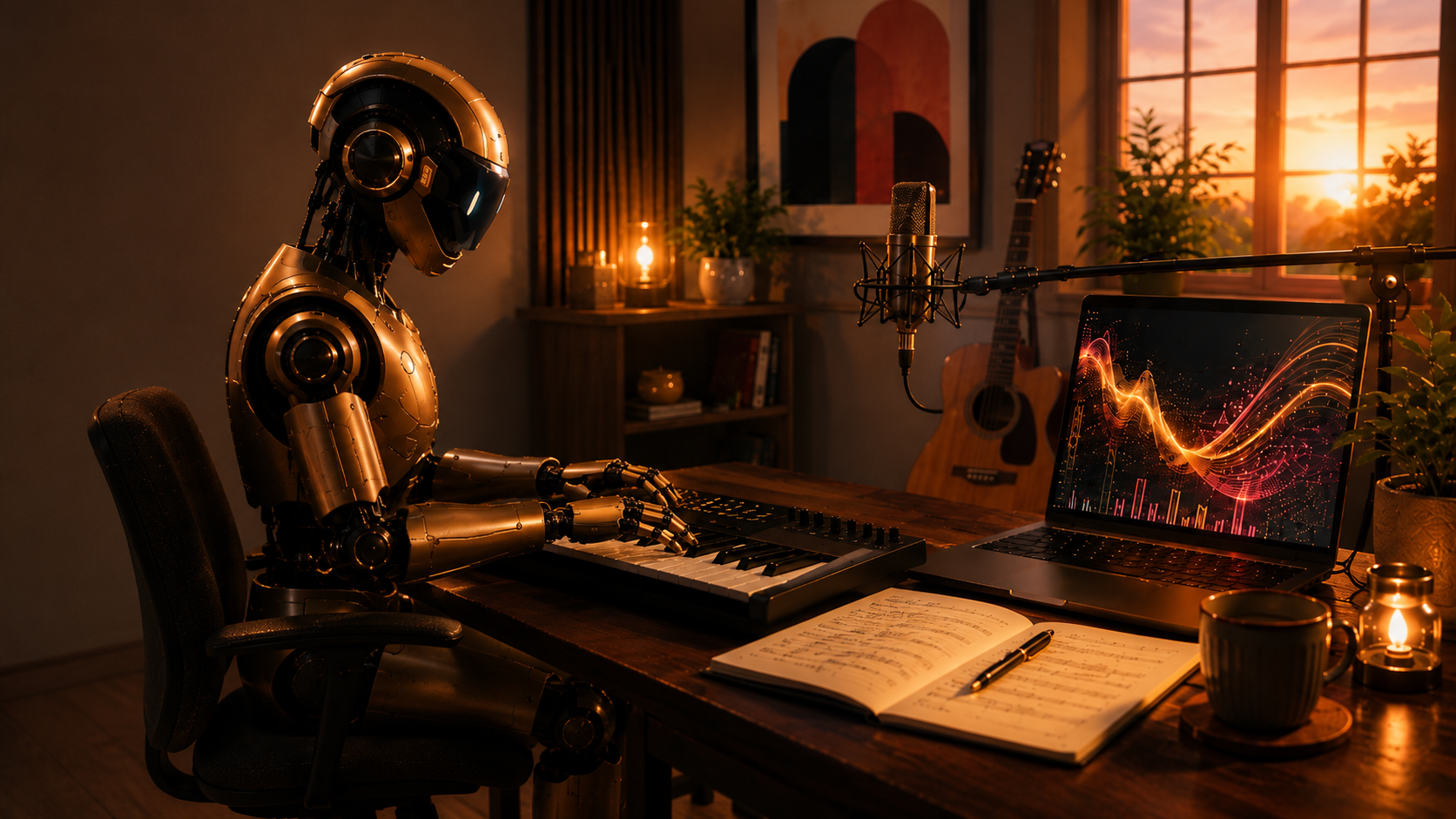
To me, AI is simply another tool, much like sampling technology or digital recording software. Throughout music history, every major technological shift has been met with resistance. People said music was doomed when Bob Dylan went electric. They said it when recording became digital, and they said it again when streaming transformed the industry. Arguably, streaming has had a far greater impact on musicians’ livelihoods than AI ever has.
There will always be people who use AI to generate songs without having any real interest in songwriting itself. If someone wants to create a novelty love song about chocolate for their own enjoyment, I don’t see any real harm in that. Music should be fun, and creativity should be accessible.
However, when it comes to serious songwriting and artistry, I believe AI should complement the creative process rather than replace it. The heart of a song — its lyrics, melody and structure — should still come from human experience and imagination. Those are the elements that create emotional connection and authenticity.
In my own work, I use AI in practical ways that help speed up the demo process. For example, if I need a female guide vocal for a song pitch, AI can help me create a reference track. I might also use it to transform a piano melody into a saxophone line or expand a vocal idea into something resembling a full gospel choir. Used thoughtfully, it can be an incredibly effective production tool that allows songwriters to explore ideas more quickly and efficiently.
I do think the AI industry could do more to position the technology as a professional creative tool rather than simply a novelty product. Greater integration with established music-production platforms and workflows could help artists see AI as something that enhances creativity rather than competes with it. The more effectively the industry can bridge the gap between traditional music-making and emerging technology, the more positively AI is likely to be received by working musicians.
As for the wider music industry, many of the conversations surrounding AI seem to be driven as much by commercial concerns as artistic ones. That’s understandable, given the financial implications of any major technological change. However, there are times when it feels as though business interests dominate discussions that should also be focused on creativity, artistry and the future of music itself. In 2026, there are certainly fewer people working within the industry whose primary motivation is the music than many artists would like to see.
Leave a Reply